
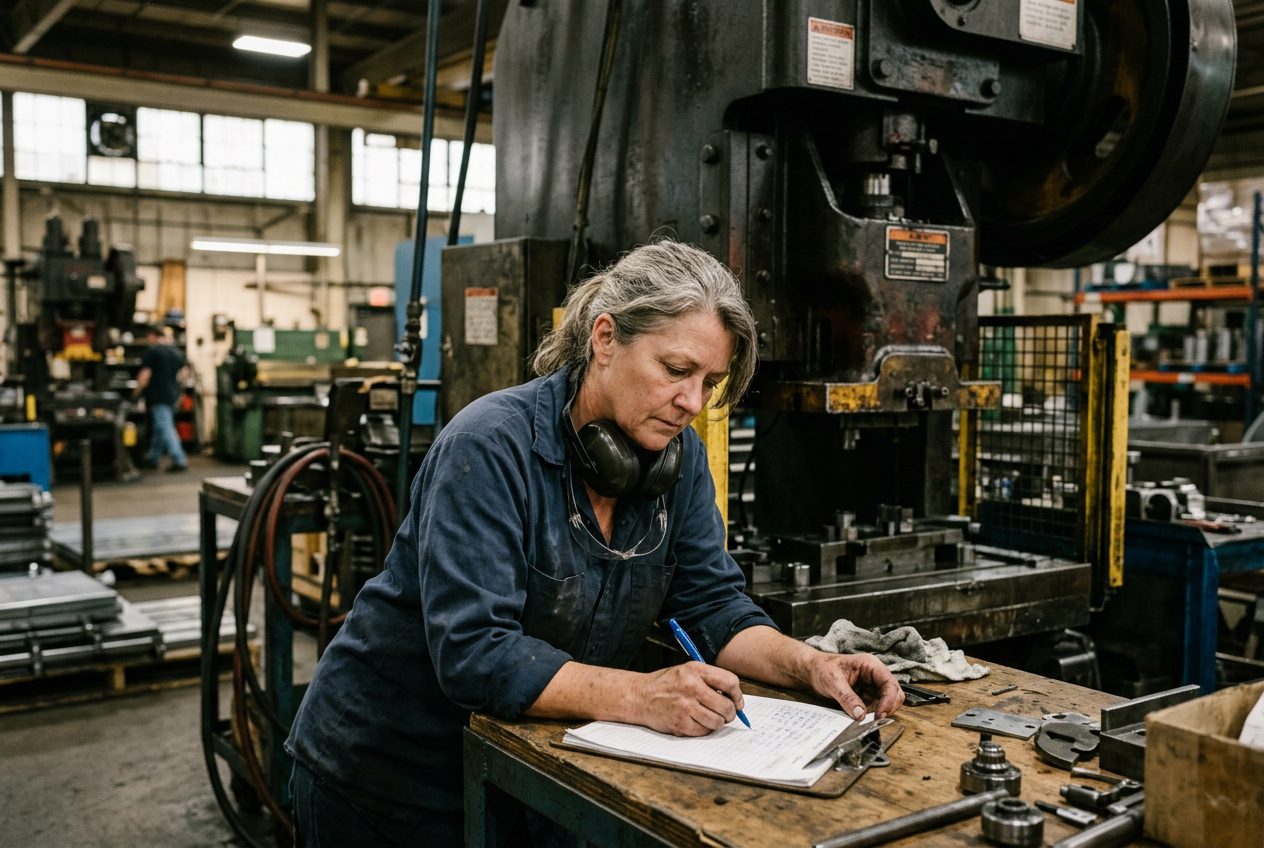
It is ten minutes before the end of the shift. Someone picks up the downtime sheet, looks at the empty lines, and starts filling them in from memory. "Machine 4, down 30 minutes. Reason: other."
Everyone in the room knows it is a guess. Was it 30 minutes or 50? Was it a jam, a missing part, or a changeover that ran long? Nobody remembers anymore. And that guess becomes the number management uses all month to decide where the money goes.
Here is what years on the floor taught me about downtime: the operator always knows exactly why the machine stopped. The problem is never the knowledge. The problem is the gap between the stop and the record. The longer that gap, the bigger the lie in your numbers.
Why your downtime numbers lie
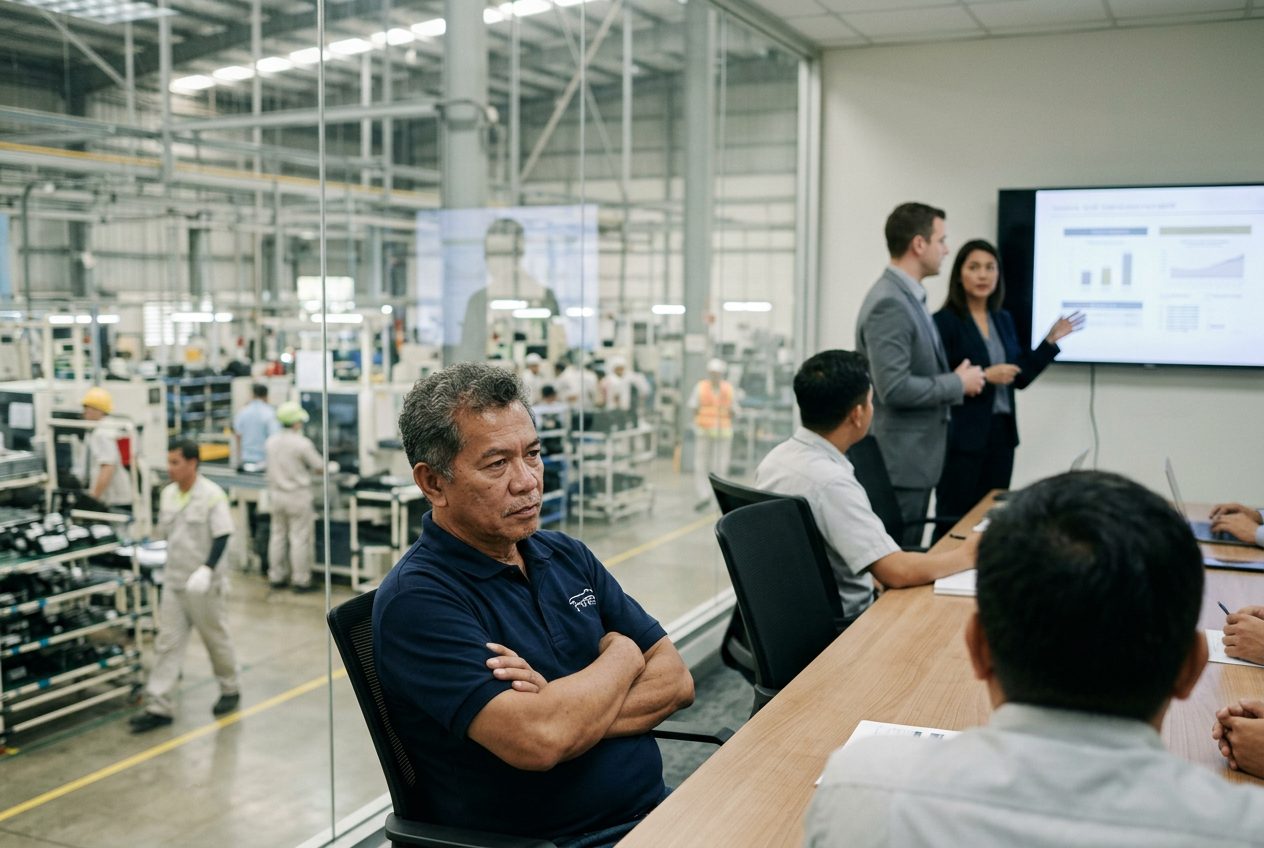
I have sat in many morning meetings where a downtime report was put on the table and nobody believed it. Not because people were lazy, but because the way we collected it made the truth impossible. Four things break it every time:
- It is recorded late. A stop written down four hours later is a memory, not a record.
- "Other" swallows everything. When the reason list is long or confusing, people pick "Other". Then your biggest problem has no name.
- Small stops disappear. Nobody writes down a two minute jam. But ten of them a shift is a lost hour, every day.
- Nobody acts on it. When the report shows up once a month as a spreadsheet, it is too late to fix anything, so people stop caring about filling it in.
The result is a number that looks precise and means very little. And every decision built on it, from maintenance budgets to new machines, inherits the guess.
7 ways to track downtime without slowing the shift
1. Record the stop when it happens
Not at the end of the shift, not at break, not "when things calm down". The moment the machine stops, the stop is recorded. Everything else on this list depends on this one rule.
2. Make it one tap for the operator
An operator with a jammed machine will not fill in a form. Give them one button to say "stopped", and one tap to pick the reason. If it takes longer than that, it will be skipped exactly when it matters most.
3. Keep a short reason list, made by the floor
Ten clear reasons beat fifty vague ones. Build the list with the people who run the machines, and make it different for each department: a paint line and a press shop do not stop for the same reasons. Then watch how often "Other" gets picked. If it is in your top three, your list needs work.
4. Count the small stops too
The big breakdown gets everyone's attention. The two minute jam that happens twelve times a shift gets none, and it often costs more. Track every stop, not only the dramatic ones.
5. Keep planned and unplanned stops apart
A lunch break and a broken motor are both "the machine was not running", but they are completely different problems. Mix them, and your downtime report becomes noise. Separate them from the first day.
6. Show it live on the floor
When a machine stops, the supervisor and maintenance should know in seconds, not at the next walk around. Put the status on a TV on the floor, where everyone can see which machine is down and for how long. Help arrives faster when nobody has to go looking for the problem.
7. Every week, pick the top reason and fix one thing
This is the step most plants skip. Look at the week's top downtime reason, pick one action, and check next week if it moved. That is how a downtime log turns into more running hours, and why people keep filling it in: they can see it change something.
What If "Reason: Other" Disappeared From Your Reports?
That gap between the stop and the record is exactly what DOVAmfg was built to close. DOVAmfg is an FFMS, a Full Floor Management System: instead of one tool for maintenance, another for the schedule and a spreadsheet for downtime, one system carries the whole floor. Its three parts are the schedule, real time production tracking, and the maintenance and compliance hub.
On the downtime side, this is how it works on your floor:
- The operator taps Pause at their station the moment the machine stops, and picks the reason from their own department's list.
- Every pause is marked planned or unplanned, so a lunch break never hides a broken motor.
- The clock never stops. Every minute of a stop is counted, and it flows straight into your OEE (Overall Equipment Effectiveness) without anyone typing it again.
- The floor TV shows which machine is down, and for how long, while it is still down.
Now, the question I always hear next: how much does all this cost? Less than most plants expect. One flat price per location, $240 a month for up to 12 machines, with every feature included and operators free. No setup fee, and a 30 day free trial to see your own downtime numbers before you pay anything. Our first five Founding Partners also get half price for 24 months.
Compare that with the cost of one hour of a bottleneck machine standing still. Most supervisors I know can do that math in their head.
And you are never trapped. There is no big investment to protect, so the only thing keeping you with DOVAmfg is what it does for your floor.
If you want to see your own stops told honestly for the first time, book a 30 minute demo with me. Tell me which machine gives you the most headaches, and we will start there.